
Announcements
Protect Your Liver: Foods You Should Avoid
Liver Health
Discover the Ideal Menu#
Feeding
Health
Prevention
Well-being
Learn what to eat to keep your liver healthy
View Full Guide
You will be redirected to another website.
Discover the Ideal Menu
View Full Guide
The liver is one of the most important organs of our body, responsible for filtering toxins, producing bile for digestion, storing nutrients and performing more than 500 vital functions. Despite its incredible capacity for regeneration, this organ suffers daily from the impacts of improper nutrition, and many foods that we consume regularly can be silently damaging your health.
The good news is that you can protect your liver by making more conscious food choices. Knowing the villains of liver health is the first step to prevent serious diseases such as steatosis (fat in the liver), cirrhosis and even cancer. Let's explore in detail which foods you should avoid or drastically reduce in your day to day
Announcements
ultraprocessed Foods: The Great Enemies of the Liver#
Ultra-processed foods represent one of the greatest threats to liver health in modern society. These products go through multiple industrial processes and contain ingredients that our body does not recognize as natural food.
Fast foods, packet snacks, stuffed cookies, industrialized nuggets, instant noodles and ready-made frozen meals are classic examples. These foods are loaded with trans fats, excess sodium, chemical preservatives and refined sugars that overload the liver.
Announcements
Frequent consumption of these products forces the liver to work intensively to process artificial substances, leading to chronic inflammation and fat accumulation in liver cells. Over time, this overload can progress to serious and irreversible diseases.
Why are ultra-processed foods so harmful?#
When you consume an ultra-processed food, your liver needs to identify, process and eliminate dozens of chemicals that have no nutritional value. This process generates free radicals, increases oxidative stress and accelerates the aging of liver cells.
- They contain trans fats that promote systemic inflammation
- They are rich in sodium, impairing filtration function
- They have chemical additives that the liver cannot metabolize properly
- They usually have a high glycemic index, causing insulin spikes
- They are low in fiber and protective nutrients
🍬 Refined Sugar and Corn Syrup: Sweet Poisons#
Excessive consumption of refined sugar is one of the main causes of the alarming increase in cases of non-alcoholic fatty liver. Soda, processed juices, sweets, cakes, ice cream and sugary breakfast cereals are among the biggest villains.
High-fructose corn syrup, present in virtually all sweet industrialized products, is especially harmful. Unlike glucose, fructose is metabolized almost exclusively by the liver, and in large quantities, it is converted directly into fat.
Studies show that regular consumption of sugary drinks can increase the risk of developing fatty liver disease by up to 56%. A single 350ml soda can contain up to 40 grams of sugar, equivalent to 10 teaspoons!
How does sugar damage the liver?#
When you consume excess sugar, the liver converts the surplus into triglycerides, which are stored in the liver cells. Over time, this accumulation forms fatty deposits that impair the functioning of the organ.
In addition, sugar promotes insulin resistance, one of the main mechanisms that lead to metabolic syndrome and hepatic steatosis. Chronic inflammation caused by excess fructose can also progress to fibrosis and eventually cirrhosis.
alcoholic Drinks: The Obvious One That Deserves Attention#
It is not new that alcohol harms the liver, but many people underestimate the damage caused by consumption “ moderate” regular. Alcohol is a toxin that needs to be metabolized exclusively by the liver, and this process generates highly harmful substances.
Beer, wine, spirits and drinks are all processed in the same way by the body. Acetaldehyde, a product of alcohol breakdown, is a toxic substance that damages liver cells, promotes inflammation and can cause DNA mutations.
Chronic alcohol consumption can lead to alcoholic steatosis, alcoholic hepatitis and, in the most severe cases, liver cirrhosis. It is worth remembering that there is no 100% safe limit for alcohol consumption, and some people are genetically more vulnerable to its effects.
Signs that alcohol is affecting your liver#
- Constant fatigue and feeling tired even after rest
- Discomfort or pain in the upper right region of the abdomen
- Yellow skin and eyes (jaundice)
- Abdominal or leg swelling
- Frequent nausea and loss of appetite
- Mental confusion and difficulty concentrating
Processed and Embedded Meat: Hidden Danger in the Day to Day#
Bacon, sausage, sausage, ham, salami, bologna and other sausages are extremely harmful to the liver. These products contain high amounts of sodium, saturated fats, nitrites and nitrates (chemical preservatives) that overload the organ.
Nitrites and nitrates, when metabolized, form potentially carcinogenic compounds called nitrosamines. The liver needs to work intensively to neutralize these substances, which generates oxidative stress and chronic inflammation.
In addition, the high concentration of saturated fat in these meats contributes to the accumulation of liver fat and increases levels of bad cholesterol in the blood, also harming cardiovascular health.
fried Foods and Foods Rich in Trans Fats#
Fried potatoes, fried salted, breaded and any food prepared in reused oil or hydrogenated vegetable fat are extremely toxic to the liver. Trans fats do not exist naturally in food and are created by industrial processes.
These artificial fats are virtually impossible for the body to metabolize properly, building up in the liver and promoting intense inflammation. Studies show that regular consumption of trans fats significantly increases the risk of liver steatosis and insulin resistance.
Even healthy vegetable oils, when heated to high temperatures repeatedly, form toxic compounds called acroleins and acroleamides, which damage liver cells and can have a carcinogenic effect.
Healthier alternatives to preparation#
- Baked, grilled or steamed preparations
- Use of air fryer with little or no oil
- Light sauteed with extra virgin olive oil at low temperature
- Marinades with herbs and spices to add flavor
🧂 Excess Salt: The Silent Villain#
Excessive sodium consumption not only affects blood pressure, but also overloads the liver. Food, ready-made seasonings, concentrated broths, ready-made sauces and preserves are the main hidden sources of salt in modern food.
Excess sodium promotes fluid retention, which can aggravate existing liver conditions and make it difficult to eliminate toxins. In people with cirrhosis, high salt consumption can lead to ascites (fluid accumulation in the abdomen), a serious complication.
The World Health Organization recommends consuming a maximum of 5 grams of salt per day (approximately one teaspoon), but most people consume twice or triple that amount without realizing it.
artificial Sweeteners: Not All That Is “Diet” It's Healthy#
Many people believe that replacing sugar with artificial sweeteners is a healthy choice, but recent research shows that these products can also harm the liver. Aspartame, sucralose, saccharin, and other synthetic sweeteners alter the gut microbiota and may promote insulin resistance.
Animal studies have shown that prolonged consumption of some artificial sweeteners can lead to fat accumulation in the liver even without body weight gain. In addition, these compounds need to be metabolized by the liver, generating byproducts that can be toxic at high doses.
white Flour and Refined Carbs#
White breads, refined pasta, cakes, pies and baked goods made with white flour have a high glycemic index and virtually no fiber. These foods cause rapid spikes in blood glucose, forcing the pancreas to release large amounts of insulin.
Over time, this repetitive cycle leads to insulin resistance, a condition in which cells do not respond properly to the hormone. The liver then converts excess glucose into fat, which accumulates in liver cells.
Replacing refined carbohydrates with whole-grain versions is one of the most beneficial changes you can make to your liver health. Fiber in whole grains helps stabilize glucose levels and promote the elimination of toxins.
Excess Caffeine and Energy#
Although pure and moderate coffee may have benefits for the liver, excess caffeine and especially energy drinks are harmful. Energetics contain very high doses of caffeine, taurine, sugar and other stimulants that overload the liver.
There are reports of cases of acute hepatitis and liver failure in people who consumed large amounts of energy drinks regularly. The combination of multiple stimulants forces the liver to work beyond its normal capacity.
Excess Whole Dairy Products#
Whole milk, fatty yellow cheeses, butter and sour cream are high in saturated fats that can contribute to the accumulation of fat in the liver. People predisposed to fatty liver should moderate their consumption of these foods.
Opting for lower-fat versions or plant alternatives can be an interesting strategy, especially if you already have signs of liver overload or changes in tests.
building a Liver-Friendly Dish#
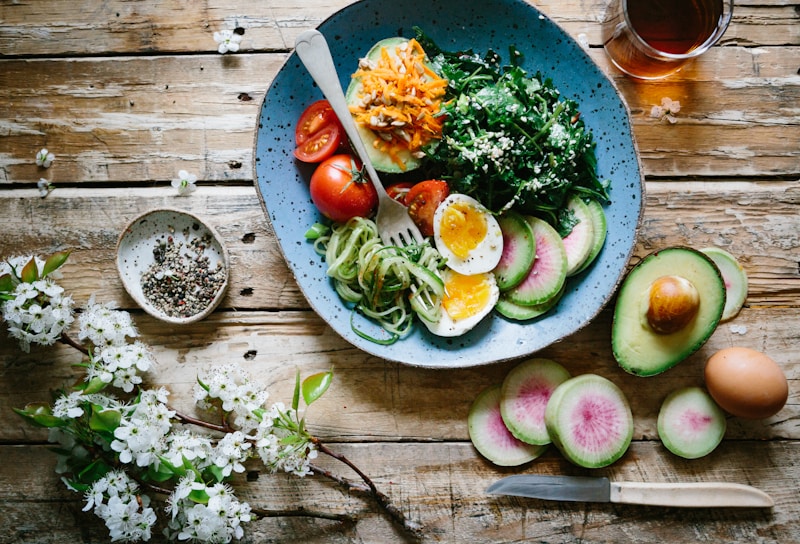
Protecting your liver does not mean living off deprivation, but rather making more conscious and balanced choices. Prioritize natural foods, colorful vegetables, fruits, whole grains, lean proteins and healthy fats like extra virgin olive oil, avocado and nuts.
Foods rich in antioxidants, such as broccoli, kale, beets, garlic, turmeric and green tea, help protect liver cells and promote natural detoxification. Proper hydration is also critical for the proper functioning of the liver.
Practical tips for everyday life#
- Always read the labels of processed foods
- Avoid products with long lists of chemical ingredients
- Prefer to cook at home with fresh ingredients
- Gradually reduce sugar and salt in the preparations
- Make the colorful dish a visual goal in meals
- Chew well and eat calmly to facilitate digestion
- Keep regular schedules for meals

your Liver Gratifies Every Good Choice#
Taking care of liver health is a daily investment that will bring benefits to your entire body. This amazing organ has the capacity for regeneration, but needs favorable conditions to perform this function. Avoiding or drastically reducing the consumption of the harmful foods mentioned in this article is a key step.
Start by replacing one harmful food at a time, set realistic goals, and celebrate each achievement. Regularly consult a doctor and get routine checkups to monitor liver health, especially if you have a family history of liver disease.
Your body is your greatest asset, and the liver is one of the pillars of that wealth. Treat it with the respect and care it deserves, and you will reap the fruits of a healthier, more energetic and fuller life. The choices you make today shape the health you will have tomorrow!
Continue reading
You might like it too

Natural Teas to Invigorate Your Romance and Liven Up Your Love
Natural Aphrodisiac Teas to Energize your Relationship Who said that spicing up the relationship needs to be complicated? Nature offers a real pharmacy.

The Emotional Strength of a Psychographed Letter
When the Words from the Other Side Touch the Heart There are times in life when longing becomes so intense that.